Cultural Adaptation Strategies: Thriving in Your New Academic
Environment Abroad
Date: 31st October, 2025
Cultural adaptation represents one of the most significant yet
rewarding challenges international students face when studying
abroad. Beyond academic preparation and logistical arrangements,
successfully navigating cultural differences can profoundly impact
your overall experience, academic performance, and personal growth.
Understanding the adaptation process and developing effective
strategies can transform potential challenges into opportunities for
meaningful connection and personal development.
This comprehensive guide explores the stages of cultural adaptation,
provides practical strategies for navigating cultural differences,
and offers insights into building a supportive network while
maintaining your cultural identity in a new academic environment.
1. Understanding the Cultural Adaptation Process
Cultural adaptation follows predictable stages, and recognizing
these phases can help you navigate the emotional journey more
effectively. Understanding that challenges are normal and temporary
provides perspective during difficult moments.
Key Adaptation Stages:
-
The Honeymoon Phase: Initial excitement and
fascination with everything new, typically lasting from a few days
to several weeks, characterized by positive observations and
enthusiasm for cultural differences
-
Culture Shock: The challenging phase where
novelty wears off and differences become frustrating, often
accompanied by homesickness, irritability, and feelings of
isolation as you confront the reality of daily life in a new
culture
-
Gradual Adjustment: The phase where you begin
developing coping strategies, understanding cultural patterns, and
finding your place in the new environment, leading to increased
comfort and confidence
-
Adaptation and Biculturalism: The final stage
where you feel comfortable and competent in the new culture while
maintaining your original cultural identity, able to navigate both
cultures effectively
-
Reverse Culture Shock: The often unexpected
challenges of returning home and readjusting to your home culture
after an extended period abroad
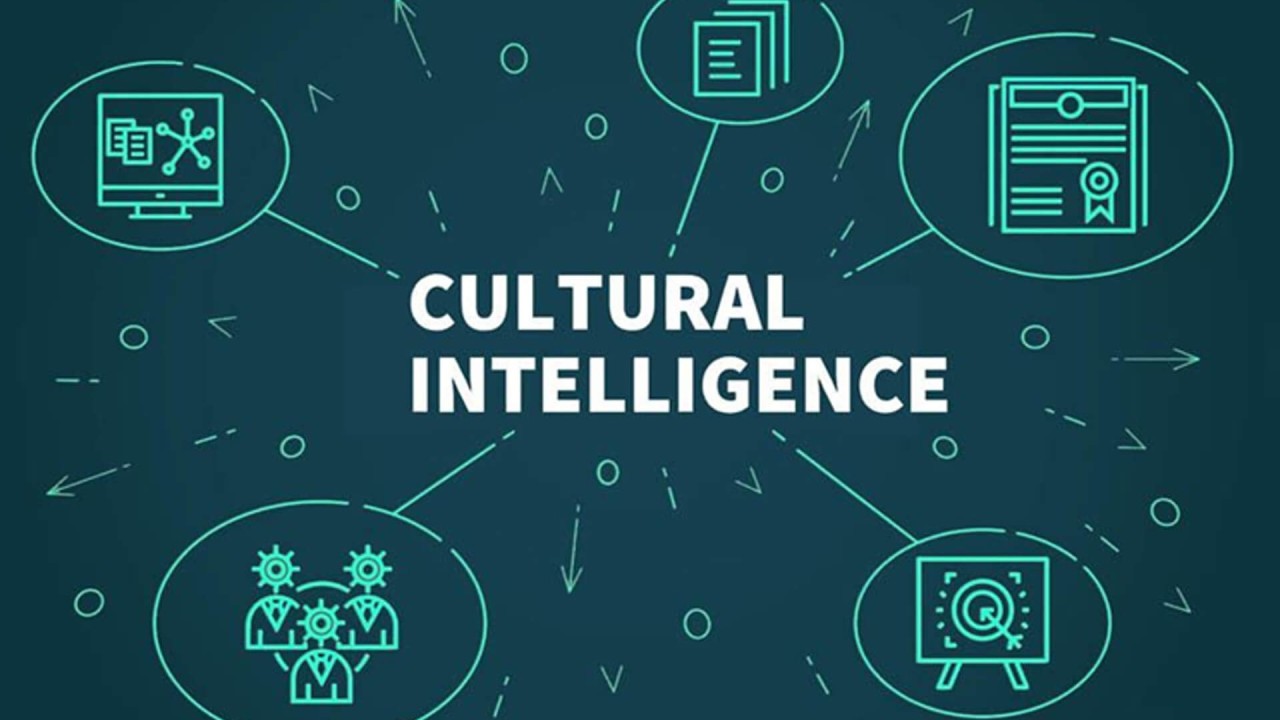
2. Developing Cultural Intelligence and Awareness
Building cultural intelligence involves developing awareness,
knowledge, and skills to interact effectively across cultural
differences. This competence enhances both academic and social
experiences in your host country.
Cultivating Cultural Intelligence:
-
Cultural Self-Awareness: Understand your own
cultural background, values, and assumptions to recognize how they
influence your perceptions and interactions
-
Cultural Knowledge Building: Actively learn about
your host country's history, social norms, communication styles,
and values through reading, observation, and conversations
-
Behavioral Flexibility: Develop the ability to
adapt your communication style, social behavior, and
problem-solving approaches to different cultural contexts
-
Cross-Cultural Communication Skills: Practice
active listening, learn to interpret non-verbal cues, and develop
strategies for clarifying misunderstandings
-
Cultural Curiosity: Maintain an open,
non-judgmental attitude toward cultural differences and approach
new experiences as learning opportunities
3. Building Meaningful Social Connections
Developing a supportive social network is crucial for successful
cultural adaptation. Meaningful relationships provide emotional
support, practical assistance, and cultural learning opportunities.
Social Connection Strategies:
-
International Student Communities: Connect with
other international students who understand the challenges of
adaptation and can provide mutual support and friendship
-
Local Student Interactions: Make conscious
efforts to build relationships with local students who can provide
cultural insights and help you navigate the academic and social
environment
-
Mentorship Programs: Participate in university
mentorship programs that pair international students with local
mentors, senior students, or faculty members
-
Interest-Based Groups: Join clubs, sports teams,
or organizations based on your interests, providing natural
opportunities for connection across cultural boundaries
-
Community Engagement: Volunteer for local
community projects or participate in community events to build
connections beyond the university environment
4. Navigating Academic Cultural Differences
Academic cultures vary significantly across countries, and
understanding these differences is essential for academic success
and reducing stress in your new learning environment.
Academic Adaptation Strategies:
-
Classroom Participation Norms: Observe and learn
local expectations regarding class participation, questioning
professors, and student-teacher interactions
-
Academic Writing Styles: Understand differences
in academic writing conventions, citation styles, and expectations
for critical analysis across cultural contexts
-
Group Work Dynamics: Learn to navigate different
approaches to collaboration, decision-making, and conflict
resolution in multicultural team projects
-
Office Hours and Student Support: Familiarize
yourself with local norms for seeking academic help, communicating
with professors, and utilizing student support services
-
Assessment and Feedback: Understand different
approaches to assessment, grading systems, and feedback styles to
better interpret and respond to academic evaluation
5. Managing Practical Daily Life Challenges
Everyday tasks that are routine at home can become significant
challenges in a new cultural context. Developing strategies for
managing daily life reduces stress and builds confidence.
Daily Life Adaptation:
-
Transportation Systems: Learn to navigate public
transportation, understand local driving norms, and develop
confidence in moving around your new city independently
-
Shopping and Consumer Culture: Adapt to different
shopping habits, payment methods, customer service expectations,
and consumer rights in your host country
-
Healthcare Navigation: Understand how to access
medical care, pharmacy services, and mental health support within
the local healthcare system
-
Food and Dining Customs: Learn local dining
etiquette, grocery shopping patterns, and food preparation options
while maintaining dietary preferences and needs
-
Time Management and Punctuality: Adapt to
different cultural concepts of time, scheduling, and punctuality
in both academic and social contexts
6. Maintaining Mental Health and Emotional Well-being
Cultural adaptation involves significant emotional challenges.
Proactively managing your mental health ensures you have the
resilience to navigate difficulties and fully benefit from your
international experience.
Emotional Well-being Strategies:
-
Stress Management Techniques: Develop
personalized strategies for managing stress, such as mindfulness,
exercise, creative expression, or maintaining routines
-
Homesickness Management: Create balanced
approaches to staying connected with home while fully engaging in
your new environment, avoiding excessive isolation or distraction
-
Cultural Adjustment Support: Utilize university
counseling services, international student advisors, and peer
support groups specifically focused on cultural adaptation
-
Realistic Expectations: Maintain realistic
expectations about the adaptation process, understanding that
challenges are normal and progress may be gradual
-
Self-Care Practices: Prioritize adequate sleep,
nutrition, physical activity, and leisure activities that support
overall well-being during the adaptation process
7. Language Development and Communication Skills
Language proficiency significantly impacts cultural adaptation,
affecting academic performance, social connections, and daily
functioning. Strategic language development enhances all aspects of
your international experience.
Language Learning Strategies:
-
Formal Language Study: Enroll in language courses
specifically designed for international students, focusing on
academic and social language needs
-
Informal Language Practice: Create daily
opportunities for language practice through conversations, media
consumption, and social interactions
-
Academic Language Support: Utilize writing
centers, language labs, and academic support services to develop
discipline-specific language skills
-
Communication Confidence: Develop strategies for
managing communication anxiety, asking for clarification, and
recovering from communication misunderstandings
-
Cultural Context Understanding: Learn how
language reflects cultural values, social hierarchies, and
communication patterns in your host country
8. Balancing Cultural Integration and Identity Preservation
Successful cultural adaptation involves finding a balance between
integrating into your new environment and maintaining your cultural
identity. This balance supports well-being while honoring your
personal and cultural background.
Identity Integration Strategies:
-
Cultural Bridge Building: Find ways to share your
culture with others while learning about the host culture,
creating mutual understanding and appreciation
-
Selective Adaptation: Make conscious choices
about which cultural practices to adopt, which to adapt, and which
to maintain from your home culture
-
Cultural Traditions Maintenance: Continue
important cultural traditions, celebrations, and practices that
provide comfort and connection to your cultural identity
-
Bicultural Competence Development: Develop the
ability to navigate smoothly between cultural contexts, adjusting
behavior and communication appropriately
-
Personal Values Integration: Reflect on how your
international experience influences your personal values and
identity, integrating new perspectives while maintaining core
beliefs
9. Leveraging University Support Services
Universities offer extensive support services specifically designed
to help international students adapt successfully. Understanding and
utilizing these resources can significantly enhance your adaptation
experience.
University Support Resources:
-
International Student Offices: Access specialized
advisors who understand international student challenges and can
provide guidance on academic, cultural, and practical matters
-
Cultural Orientation Programs: Participate in
ongoing orientation activities, workshops, and cultural events
designed to support continuous adaptation
-
Academic Support Services: Utilize writing
centers, tutoring services, and study skills workshops adapted for
international students' specific needs
-
Mental Health Resources: Access counseling
services with professionals experienced in supporting
international students through cultural adaptation challenges
-
Peer Support Networks: Join mentorship programs,
conversation partners, and student organizations that facilitate
cross-cultural connection and support
10. Long-term Adaptation and Personal Growth
Cultural adaptation is an ongoing process that continues throughout
your international experience. Embracing this journey as an
opportunity for personal growth transforms challenges into valuable
life skills and perspectives.
Sustainable Adaptation Approaches:
-
Continuous Learning Mindset: Approach cultural
adaptation as an ongoing learning process rather than a problem to
be solved, maintaining curiosity and openness
-
Reflection and Integration: Regularly reflect on
your adaptation experiences, identifying lessons learned and
integrating new perspectives into your personal and academic
development
-
Resilience Building: View adaptation challenges
as opportunities to develop resilience, problem-solving skills,
and intercultural competence
-
Global Mindset Development: Use your
international experience to develop a global perspective that
enhances your academic work and future career opportunities
-
Legacy Planning: Consider how you can use your
adaptation experience to support future international students or
contribute to cross-cultural understanding
Conclusion: Embracing the Transformation Journey
Cultural adaptation is much more than adjusting to a new
environment—it is a transformative journey that reshapes your
perspective, enhances your resilience, and expands your
understanding of both the world and yourself. While the process
involves challenges and discomfort, it also offers unparalleled
opportunities for personal growth, intercultural learning, and the
development of skills that will benefit you throughout your life and
career.
Remember that successful adaptation doesn't mean completely
abandoning your cultural identity or perfectly assimilating into the
host culture. The most fulfilling international experiences often
come from finding your unique balance—maintaining meaningful
connections to your home culture while building authentic
relationships and competence in your new environment. This balanced
approach allows you to benefit fully from your international
education while staying true to yourself.
At Navon Study International, we recognize that cultural adaptation
is a central part of the international student experience. Our
comprehensive support services include pre-departure cultural
orientation, ongoing adaptation workshops, mentorship programs, and
individual support designed to help you navigate the cultural
adaptation journey successfully. We're committed to helping you not
just survive, but thrive in your new academic and cultural
environment.
Your international education journey is a unique opportunity to
develop intercultural competence, global perspectives, and personal
resilience that will serve you long after your studies are complete.
By approaching cultural adaptation with intention, curiosity, and
self-compassion, you can transform this challenging process into one
of the most valuable and rewarding aspects of your international
education experience.